Cork flooring carries a quiet confidence. It is warm underfoot, soft enough to ease long hours at the sink, and resilient enough to bounce back from chair legs and everyday dents. When clients ask for a surface that blends comfort, sustainability, and style, cork consistently ends up on the shortlist. It does not fit every room or every lifestyle, but with the right product, installation, and maintenance, it can deliver a long service life that feels good in every sense.
What cork flooring really is, and why it behaves the way it does
Cork comes from the bark of the cork oak tree, primarily harvested in Portugal and Spain. The tree is not cut down. Harvesters strip the outer bark once every 9 to 12 years. The tree regenerates the bark, and the cycle continues for decades. That single fact underpins cork’s sustainability story, and it shows in the material itself. Under a microscope, cork looks like a honeycomb full of air-filled cells. Those cells provide natural spring, thermal insulation, and sound absorption. In a busy household or a compact condo, that cellular structure is not a gimmick, it is the reason cork feels noticeably different from wood or tile.
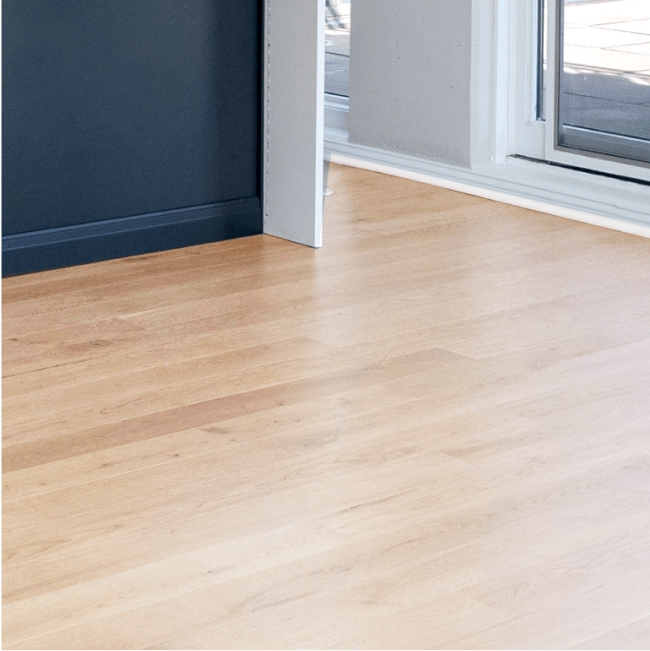
Most residential cork flooring is made from granulated cork bound with resins, then pressed into sheets or tiles. The finish can be a factory-applied polyurethane, UV-cured acrylic, or a high-performance waterborne topcoat. Some products come as engineered planks with a cork veneer over an HDF core, often sold in click-lock form for floating installation. Solid cork tiles, which glue to the subfloor, have a different character and maintenance profile. Both can work, but they behave differently in moisture, temperature swings, and point loads.
Comfort you can measure, not just feel
If you have stood at a stove on a stone floor for an hour, your knees know why softer floors matter. Cork has a compressive resilience that spreads load over a larger area. That means chair divots rebound more readily. It also means less joint fatigue over time. In practice, clients report that standing on cork feels similar to a high-quality anti-fatigue mat, just less squishy and far more uniform. In bedrooms or nurseries, it damps footfall noise and takes the chill out of winter mornings, especially over unheated slabs.
In cold climates, cork’s R-value is modest but real. Typical cork flooring ranges near R 1 to 1.25 per half inch, depending on density and construction. That is not a replacement for insulation, yet it takes the edge off a cold subfloor. Over concrete in a Chicago basement, a floating cork plank with an integrated cork underlayment can offer a noticeable thermal break. For clients who ask about radiant floor heating compatibility, most engineered cork planks are compatible if the system is designed correctly, temperatures are kept in spec, and the product’s installation manual is followed.
Sustainability beyond the buzzwords
Cork floor marketing leans on renewable harvesting, and that is valid, but the lifecycle story has more layers. The manufacturing process often uses post-industrial cork waste from wine stopper production. Many suppliers publish low VOC certifications, and the absence of formaldehyde in the core and adhesives matters if you are focused on indoor air quality. For clients who prioritize Choosing Energy-Efficient Materials for Your Renovation, cork sits alongside bamboo and linoleum as strong options in the Sustainable Building Materials for Eco-Conscious Homeowners category.
Durability is part of sustainability too. A floor that lasts 20 years takes pressure off landfills and budgets. Cork’s finish system, edge treatment, and maintenance determine whether it meets or misses that target. In high-traffic kitchens with big dogs, I steer people toward denser cork with a robust factory finish, paired with felt pads and routine maintenance. In home offices or bedrooms, almost any well-made cork can go the distance.
Where cork shines, and where it struggles
I have installed cork in urban condos where sound control mattered more than anything, and in single-family kitchens where leg comfort won the day. The balance shifts by room.
Kitchens: Cork works in kitchens when clients respect water. It tolerates spills if wiped promptly. Prolonged standing water from dishwasher leaks or a refrigerator line can stain or swell edges on floating planks. A glued-down, fully sealed tile system is more forgiving at seams, but even then, standing water is trouble.
Basements and below-grade spaces: Many ask if cork is The Best Flooring for Basements and Below-Grade Spaces. It depends. On a dry, well-managed slab with a proper vapor barrier and dehumidification, engineered cork planks can perform well. On a damp slab with hydrostatic pressure or seasonal moisture spikes, you are inviting cupping or microbial growth. Testing relative humidity in the slab and using the correct underlayment are not optional.
Bathrooms: Powder rooms are feasible if you seal cut edges and keep humidity controlled. Full baths with daily showers require a waterproof strategy under and around the cork that most homeowners do not want to maintain. For wet rooms, steer toward porcelain and reserve cork for adjacent dressing areas.
Pets: Cork is forgiving under paws, but not invincible. Large dogs with long nails can etch the finish over time. If you are evaluating The Best Flooring Options for Pet Owners, texture and finish matter more than species. A tougher finish, darker or variegated patterns, and routine nail trims keep the floor looking good.
The aesthetic range is wider than most people expect
Cork is no longer limited to mottled brown squares. Modern vendors produce neutrals, charcoals, whitewashed tones, and even pattern-printed planks that resemble oak, concrete, or textile weaves while retaining cork’s give. For clients Mixing Modern and Traditional Styles in Your Renovation, cork can either blend quietly under a walnut island or make a statement in a mid-century redo. Two-Tone Kitchen Cabinets pair well with a warm, medium cork tone that grounds a crisp upper. When you plan How to Choose a Color Scheme for Your Entire Home, consider cork’s light absorption. It softens glare, which plays nicely with Lighting Design and strategies to Maximize Natural Light in Your Home Renovation.
Installation choices that determine performance
Cork comes in two broad installation families: glue-down tiles and floating planks. Each has pros and trade-offs.
Glue-down tiles yield a monolithic surface, because tiles are adhered directly to a prepared subfloor, then finished in place or sealed. The upside is tighter seams, less telegraphing of subfloor imperfections, and improved moisture resilience at edges when properly sealed. The downside is subfloor prep demands. Floor Leveling may be necessary to hit flatness tolerances, and you commit to a more permanent install. Removal later is laborious.
Floating click-lock planks are faster to install and friendly to condos where you may not want to glue to a slab. They typically include a cork underlayment, delivering extra sound control. Movement gaps around the perimeter are crucial. Respect acclimation, humidity ranges, and expansion allowances. Perimeter baseboards or shoe molding should be planned into the trim scope. For clients asking about Flooring Installation: Nail-Down vs. Glue-Down Methods, cork mostly falls in the glue-down or floating category, not nail-down, because cork lacks the structural integrity of hardwood for mechanical fastening.
If you anticipate heavy fixed cabinetry or a kitchen island, plan placement before you lock in a floating system. Heavy islands pin the floating field and can cause buckling. Either use a glue-down system in the kitchen zone or install the floating field with careful breaks and transitions. How to Transition Between Different Flooring Types becomes part of the early design conversation, not a last-minute trim solution.
The maintenance reality, not the brochure version
Cork is not a set-it-and-forget-it surface, but it is manageable with habits that most households can maintain. Keep grit off the floor with entry mats, clean with a pH-neutral cleaner, and avoid saturated mops. Felt pads on furniture are not optional. Plan for a finish refresh every several years in high-wear rooms. The refresh interval depends on traffic, pets, and finish type. Factory UV-cured finishes take longer to abrade, but once they dull, you may be refinishing the whole field. Site-finished cork is easier to spot-recoat but takes more planning during the initial install.
Sunlight can amber natural cork. If you have dramatic south-facing windows, rotate rugs and consider UV-filtering film. How to Make Your Home More Energy Efficient often includes upgraded glazing that, as a bonus, moderates UV exposure and temperature swings that affect floor movement.
A budget lens on cork
Clients planning How to Plan a Home Renovation on a Budget appreciate that cork sits between laminate and hardwood on cost in many markets. Material pricing ranges widely based on thickness, veneer quality, finish, and brand. The Hidden Costs of Home Remodeling and How to Avoid Them show up in subfloor prep, moisture mitigation, and transitions. When we estimate, we include testing for slab moisture, surface grinding or patching, and proper expansion gap solutions. Skipping those items leads to callbacks, which cost more than doing it right.
For households juggling priorities across a whole-home update, cork can free funds for areas where stone or custom cabinetry matter more. I have seen successful blends where cork covers bedrooms and the home office, while tile or engineered wood takes the kitchen and family room. How to Match Flooring Throughout Your Home comes down to tone and sheen consistency. Keep undertones aligned. If your cork leans warm, let adjacent wood or tile carry a related warmth.
How Revive 360 Renovations designs for cork’s strengths
At Revive 360 Renovations, we start with use patterns. Who lives here, how do they move through the space, and where do spills, pets, and heavy furniture live? We map furniture and rugs early to understand where floating fields need breaks or where glue-down better serves the plan. If a client wants cork in the kitchen to prioritize comfort while cooking, we sample denser products and test finish resistance with coffee, oil, and diluted vinegar in the shop. That small step builds confidence, and it also sets realistic expectations.
On one Chicago bungalow project, the homeowners wanted to Make a Home Office that Boosts Productivity without echoing footsteps on Zoom calls. We ran a floating cork plank over a properly prepped subfloor with a high-quality underlayment. The difference in acoustics compared to the surrounding hardwood was immediate. The office felt quieter, and the thermal comfort under a desk was clear in January. That job reminded our team that technical benefits become emotional wins when they match the daily routine.
Revive 360 Renovations on climate, season, and material timing
We pay attention to The Best Time of Year to Remodel Your Home in Chicago because humidity swings affect cork acclimation. Spring and early fall offer stable conditions, which reduce the risk of gapping or buckling after installation. In winter, heated indoor air dries out materials. In summer, humidity climbs. We acclimate cork longer during extremes, monitor indoor RH, and guide homeowners on maintaining 35 to 55 percent relative humidity. Those steps are not paperwork, they are insurance for the floor.
On a recent condo refresh, a client wanted an Open Concept feel without the echo that followed after removing two walls. Cork underfoot in the dining and living zones softened sound significantly. We used transitions at the kitchen threshold and protected the floating field by anchoring the island to the slab and finishing the kitchen floor in porcelain. It was a classic case of Open Concept vs. Traditional Layouts: Which Is Right for You, and cork made the open plan livable without resorting to heavy acoustic panels.
What to expect during a cork flooring consultation
Homeowners often ask What to Expect During a Home Remodeling Consultation when flooring is in play. With cork, we bring full-size samples, not just swatches, and we test them under your actual lighting. Lighting Design matters. Warm LED strips can make a gray cork look muddy. North light can wash out a pale tan. We also discuss sound goals, joint comfort, and maintenance habits. If you prefer bare floors to rugs and have two energetic dogs, we guide you to darker, textured cork with a robust finish or suggest a different material for main paths.
Permits and Regulations for Home Renovations in Chicago rarely target flooring specifically, but condos and co-ops often require an impact insulation class rating to manage noise transfer. Cork’s acoustic performance helps meet those rules, especially when paired with rated underlayments. We handle documentation as part of the process so building management gets what they need without delays.
Design pairings that elevate cork rather than fight it
Cork loves warmth and texture. In kitchens, it pairs beautifully with The Benefits of Under-Cabinet Lighting, which highlights its soft matte without harsh glare. For families planning How to Design a Kitchen for Entertaining, cork supports long meal preps and mingling. It also tempers the clatter that can build in open kitchens. If you lean toward a Butler’s Pantry vs. Walk-In Pantry, cork in the pantry is a smart comfort play.
In bedrooms and closets, cork under a Walk-In Closet for your master bathroom feels luxurious in slippers and bare feet. In a mudroom designed for Chicago weather, I reserve cork for the adjacent hallway rather than the wet boot zone. A tile-floored mudroom with smart drainage transitions to cork down the hall. That sequencing preserves cork’s surface while still delivering warmth where you want it.
Refinishing, repair, and realistic lifespans
Cork can be refinished, but not as aggressively as hardwood. Many engineered cork planks have a thin veneer, roughly 2 to 3 millimeters. You can abrade and recoat finishes multiple times, but deep sanding is limited. Solid cork tiles have more material to work with, which extends lifespan in high-wear zones. Spot repairs are feasible for isolated damage, especially with square tiles. With floating planks, replacing damaged boards often requires unlocking from a wall toward the damaged area, which is manageable if you saved extra material and match lot numbers.
Lifespan varies with use. In bedrooms and offices, 20 years is a reasonable target. In kitchens with kids and pets, 10 to 15 years before a significant refresh is common. Some of our earliest cork installs are approaching 12 years with only one maintenance coat in between. Those clients vacuum regularly, avoid rolling heavy loads without protection, and manage humidity. They are not fussy, they just follow simple habits.
How cork compares with other common choices
Hardwood: Classic, refinishable, and a solid long-term investment. Wood is stiffer and louder. Cork is quieter and kinder to knees, but less tolerant of floods. If you are choosing Hardwood Floor Finishes: Matte, Satin, or Glossy, note that matte plays best with cork in adjacent rooms. Glossy next to cork’s soft sheen can look forced.
Luxury vinyl tile: Durable, water tolerant, and budget friendly. LVT can mimic cork visually, but it lacks cork’s thermal and acoustic character. If sound control matters in a condo, actual cork does better under impact tests, provided the assembly is designed correctly.
Bamboo: Fast-growing and sustainable when sourced https://caidensztq217.raidersfanteamshop.com/cabinet-painting-vs-staining-which-is-better-for-your-kitchen well. It is harder underfoot and can be noisy. For homeowners weighing Bamboo Flooring: Sustainability Meets Style against cork, think about comfort and acoustics as much as look.
Tile: The Durability of Different Tile Materials is hard to beat in wet areas. Tile is cold and unforgiving to joints in long cooking sessions. Cork wins for comfort, tile wins for shower zones and heavy water use.
A short, practical checklist for cork success
- Verify slab moisture and control indoor humidity before you order. Choose product density and finish based on room use and pets. Decide between glue-down tiles and floating planks with furniture and island loads in mind. Protect edges with good transitions, base, and shoe molding, and seal cut edges as required. Plan maintenance: felt pads, neutral cleaners, and periodic topcoat refresh.
Planning, budgets, and timelines with cork in a broader remodel
When you build How to Create a Remodeling Timeline That Works, place flooring after major drywall sanding and before trim paint touch-ups. Cork needs a clean, stable environment. Deliver appliances after the floor cures and use proper floor protection during moves. How to Protect Your Belongings During a Home Renovation applies to floors too. We use breathable, non-staining paper with taped seams, never plastic that traps moisture.
For clients managing multiple scopes, cork’s installation speed can help the schedule. Floating planks install quickly and do not require adhesive cure times. Glue-down tiles demand a slower, more precise pace but pay off in seam stability. The Difference Between Renovation and Remodeling surfaces here. If you are simply replacing finishes, floating cork may slot neatly into your plan. If you are reconfiguring walls and moving mechanicals, we can design substrate prep and cork installation into the larger critical path.
Lessons learned from field use
The most common preventable failure we see is insufficient expansion space on floating installs. A baseboard hiding a tight fit looks fine until summer humidity swells the field and the floor buckles a month later. We design clearances and train crews to respect them. The second failure mode is water infiltration at dishwashers and fridges. A $15 water sensor can save a $7,000 floor. That small line item belongs in the Smart Home Technology Integration During Remodeling conversation. Add leak detection along with your thermostat and lighting controls.
The third is mismatched expectations about patina. Cork compresses and rebounds, and over years it will develop a lived-in look. If you crave a perfectly uniform surface forever, cork may frustrate you. If you appreciate character that tells a story, cork ages gracefully.
When cork boosts value, and when it is a passion choice
How to Increase Home Value with Strategic Renovations often centers on kitchens, baths, and curb appeal. Cork is rarely the headline in resale listings, but it can elevate perceived quality if well executed. In condos with strict noise rules, a cork assembly that meets impact criteria can be a selling point. In family homes where comfort matters, cork in bedrooms or playrooms reads as thoughtful. If you are renovating for yourself and plan to stay at least 5 to 10 years, cork’s daily comfort may outweigh any neutral market preference for wood or tile.
Working methodically with Revive 360 Renovations
Our process at Revive 360 Renovations ties cork selection to lifestyle first, then to technical fit. We test moisture, review building rules, and coordinate transitions so the floor feels intentional across rooms. On a Logan Square project, the homeowners wanted quiet, warm floors for a nursery and hallway, with hardwood preserved in the living room. We used cork in the private zones, balanced tones at the thresholds, and set a maintenance plan that the parents could handle during a busy first year. The result did more than meet a spec sheet, it made the house feel calmer.
When clients weigh Chicago Home Remodeling Trends to Watch in 2025, they see natural materials, softer textures, and wellness features climbing the list. Cork threads through those themes without feeling trendy. It has been in service for over a century in libraries, churches, and labs. That track record matters. So does the fact that it is harvested responsibly and feels good to live on.
Final guidance for choosing cork with eyes open
If cork is on your radar, get real samples under your real light, spill on them, and stand on them in socks and shoes. Consider where rugs will land and how furniture will move. Think about pets and water sources. Decide whether comfort is a top-three priority, not a nice to have. If the answer is yes, cork deserves a careful look. Match the product to the room, honor installation details, plan maintenance, and let the material do what it does best: make daily life a little softer, a little quieter, and a lot more comfortable.